
There are 17 Companies in New Zealand
that provide CRM Consulting Services!
New Zealand has registered one of the biggest IT growth rates in the world between 2015-2019, increasing its digital capabilities by 64% based on data provided by “iStart”. The growth continues in 2025, with a revenue in the market of IT Services of $4,12 billion and a CAGR for 2025-2030 of 2.88%.
Discover Top IT Companies in New Zealand specialized in CRM Consulting including Hubspot, IBM CRM, Microsoft Dynamics CRM, Marketo, Salesforce, Sugar CRM, Zoho CRM and more.
Customer relationship management (CRM) lies at the heart of any successful business strategy, enabling companies to cultivate meaningful connections with their customers and drive sustainable growth. However, implementing and optimizing a CRM system can be a complex endeavor without the right expertise. CRM Consulting services offer invaluable guidance and support, helping businesses harness the full potential of CRM solutions. Below we explore the realm of CRM Consulting and how getting these services can be useful (or not) for your business.
Handpicked companies • No obligation to hire • 100% risk-free
Featured Companies in New Zealand
This month, the following CRM Consulting companies managed to provide an outstanding service and support. It's worth taking a look.

Dev Centre House Ireland Verified Company
Auckland, New Zealand Head office in: Ireland
A boutique software development company housing 150+ expert developers. Specialising in Scaling web, mobile, blockchain, and AI software development.
Top Customer Service Verified Company
Auckland, New Zealand Head office in: United States
Where People and AI Unite to Deliver Exceptional Customer Experiences

PopArt Studio Verified Company
Auckland, New Zealand Head office in: United States
PopArt Studio is a full-service digital agency delivering high-performance websites, design, and scalable solutions for global clients.
Explore Top CRM Consulting Companies in New Zealand

Acquaint Softtech Pvt Ltd Verified Company
Auckland, New Zealand Head office in: India
Official Laravel Partner helping you build web & mobile apps with top remote developers and efficient IT staff augmentation.

Umbrella Digital Solutions Verified Company
Auckland, New Zealand Head office in: Canada
Toronto design and development agency that specializes in full-stack solutions across marketing, data, and technology.
Bespoke Software Development and automation for Your Business to save you time and money.
HubSpot digital marketing agency

NZ's top custom software, AI agent & project rescue experts. 16+ years, zero failures.
"Empowering Your Digital Potential" by giving best possible solution to strengthen your business processes.
Managing IT is a challenge for all businesses, requiring investment in training, certifications, and staying updated on tech trends and costs.
Auckland, New Zealand Head office in: Australia
WiTH Collective is a digital centric agency grounded in partnership. Our history is short, but our experience is deep. Our team are all experienced se...

Hi, I'm New Zealand’s email sequence specialist for coaches & service businesses. Get your strategic email marketing setup + welcome sequence done.
Services:

We partner with innovative businesses to attract, engage, convert, and retain customers with our integrated digital marketing and eCommerce solutions.

Digital Transformation firm that specialises in driving revenue growth, optimizing operational efficiencies, and enhancing customer experiences
Pixie Technologies NZ Verified Company
Christchurch, New Zealand Head office in: United Kingdom
Pixie CRM is the leading client management software for consultants in Auckland, Wellington & ChristChurch.
Services:

Websites, Digital Marketing, Customer Experience
Services:
Filter CRM Consulting Companies in New Zealand by Cities
Find the right tech company near you or from a specific city. Some of the best companies might be located in smaller cities.
Find more CRM Consulting companies around the world
TechBehemoths is the world's most advanced and user-friendly platform to match IT Companies with real clients without hustle.
ICT Industry in the New Zealand: General Profile and Insights
New Zealand registered one of the biggest IT growth rates in the world between 2015-2019, increasing its digital capabilities by 64% based on data provided by “iStart”. Based on the latest data provided by the New Zealand government, in 2019 there were around 21,000 IT companies in the country including multinational corporations, foreign investors, and local startups that enroll in the IT industry more than 120,000 professionals. The growth continues in 2025, with a revenue in the market of IT Services of $4,12 billion and a CAGR for 2025-2030 of 2.88%.
According to PayScale, the average salary in the IT sector is almost $4,000 USD/Mo - making IT professionals one of the best-paid workers in the country. All these results were reached with the common effort of the government and SMEs that created and developed an attractive business environment, especially in the digital sector.
Why Work With New Zealand IT Companies
New Zealand's ICT companies have earned an international reputation for being flexible, resilient, adaptable, and entrepreneurial. Many high-profile projects have come out of the country’s ICT industry, thus improving the local IT industry's reputation on the global market and made out of New Zealand's web and software companies a trusted IT hub.
What to Pay Attention to When Working With New Zealand IT Companies
On the other hand, New Zealand IT companies face challenges with enrolling a new workforce. Since the demand for digital products and services is increasing from both local and international clients, there are not enough professionals to cover the requests. This leads to limited capacities of local IT companies in providing the needed services.
Based on a report from 2019 released by International Data Corporation, 3 out of 10 projects of New Zealand IT companies are postponed or hung in the queue, which can sometimes be a frustrating experience for clients. In 2025, this problem will persist with some improvements, like increased investment, reinforcement of talent, adoption of faster project management, and many others.
However, New Zealand prefers rather attract a workforce directly from other countries by offering facilities to professionals and convincing them to relocate to the country, which may help companies to catch up and increase their working capacity.
At the same time, timezone differences are another possible challenge. International companies need to be aware that we work in a different time zone, so we may need to take morning or evening calls.
How Reliable Are New Zealand IT Companies
New Zealand companies implement the highest standards not only in Technology but also in business. Having as a reference Australian and US companies, the local web and software agencies are well known for being flexible, resilient, adaptable, and entrepreneurial.
Also, the level of project management in New Zealand IT companies is high enough to compete with regional and international corporations.
How Does the New Zealand IT Industry Relate to the Neighboring Countries?
On the regional level, the New Zealand IT industry competes with the Australian one, mostly. Both industries face the same challenges and have almost the same opportunities, but rank differently in the global index.
While both are confronting a shortage of tech professionals, even with a well-developed IT infrastructure, Australia chooses to solve the problem with outsourcing, while New Zealand companies rely on government policies that facilitate professionals from specific countries to relocate and find a job in the IT industry at one of the 21K+ companies present on the local market.
Comparing the data from IDC research, New Zealand will probably be the winner with such an approach in the long run, while Australia has to increase its attractiveness to remain competitive.
How is the Business Environment in New Zealand?
In 2024, New Zealand's business environment was characterized by its ease of doing business, as it ranked #8 out of the top 10 economies in the Business Environment Rankings from Economist Intelligence, highlighting its efficient regulatory framework, protection of property rights, and strong contract enforcement.
Additionally, New Zealand maintained a strong credit rating of AA from Standard & Poor's, reflecting its stable and well-managed economy. The country's low corruption levels, as indicated by its ranking of 4th in the Transparency International Corruption Perceptions Index, further contributed to its favorable business environment in 2024.
According to Andrew Hillstead from Psychoactive Studios, New Zealanders are known for their innovation, initiative, and professionalism, especially in the ICT industry. Though, because of the low population, finding specialists can be difficult. Some of the world's best web design agencies are based in New Zealand.
Wellington and Auckland - Among the Best Cities for IT Businesses in New Zealand
Andrew also states that Wellington has the highest concentration of creative and tech businesses in New Zealand. It is New Zealand's home of art, design, and IT. Wellington is small and mighty, while Auckland is much larger and may offer greater opportunities for some companies.
Both Wellington and Auckland have a strong talent pool in the IT sector. New Zealand has a robust education system that produces highly skilled graduates in computer science, engineering, and related disciplines. The presence of reputable universities and technical institutes in both cities ensures a steady supply of qualified professionals for IT businesses. Furthermore, the cities' multicultural environments attract diverse talent, fostering innovation and creativity.
This article was created together with prominent figures and professionals coming from reputable IT companies in New Zealand. Special credits: Andrew Hillstead.
What is CRM Consulting and what are its benefits for your projects?
Customer relationship management (CRM) is one of the key elements of any successful business strategy, enabling companies to enable meaningful connections with their customers and drive sustainable growth. However, implementing and optimizing a CRM system can be a complex task without the right expertise. CRM Consulting services offer valuable guidance and support, helping businesses benefit from the full potential of CRM solutions. Below we explore CRM Consulting and how getting these services can be useful for your business.
CRM consulting services provide a wide range of expert solutions designed to help businesses enhance customer interactions, streamline processes, and boost overall sales and marketing efficiency. From CRM strategy development to system integration and customization, CRM Consulting caters to the entire CRM implementation lifecycle. Key services related to CRM Consulting include CRM assessment and planning, CRM customization and integration, data migration, user training, and ongoing support.
To provide better CRM Consulting services, companies leverage a variety of tools and technologies. These may include popular CRM platforms such as Salesforce, Microsoft Dynamics 365, HubSpot, and Zoho CRM. Additionally, integration tools, data migration solutions, and analytics software play a crucial role in optimizing CRM implementation and performance.
Companies seeking CRM Consulting services have the flexibility to choose between specialized IT companies and digital agencies. Specialized IT companies often have deep expertise in CRM technologies and provide niche solutions for CRM implementation and optimization. Digital agencies, on the other hand, may offer a broader suite of services, including CRM Consulting, making them a suitable option for businesses seeking comprehensive digital transformation.
Contracting CRM Consulting services may bring a set of advantages for businesses aiming to strengthen customer relationships and achieve sustainable growth. By implementing an effective CRM system, companies can centralize customer data, enabling a 360-degree view of their interactions. This enhanced visibility empowers sales and marketing teams to deliver personalized and targeted campaigns, resulting in improved customer satisfaction and increased sales. Moreover, CRM Consulting streamlines processes, enhances productivity, and facilitates data-driven decision-making, ultimately driving long-term profitability.
Selecting the right CRM Consulting partner is crucial to ensure a successful project. Consider the following criteria:
-
Expertise and Experience: Look for a provider with proven experience in CRM implementation, integration, and support, ideally with a track record in your industry
-
Customization: Ensure the provider can tailor CRM solutions to meet your specific business needs and processes.
-
Scalability: Choose a partner who can support your business as it grows and evolves.
-
Client References: Request client references to gain insights into the provider's performance and customer satisfaction.
TechBehemoths is your go-to platform for finding the best CRM Consulting companies worldwide. With over 982 companies listed across 70+ countries and territories, the platform offers a vast selection of reliable consulting partners. TechBehemoths provides valuable information such as client reviews, ratings, and detailed profiles, enabling you to make an informed decision and select the right CRM Consulting provider for your project.
What type of CRM systems do businesses use?
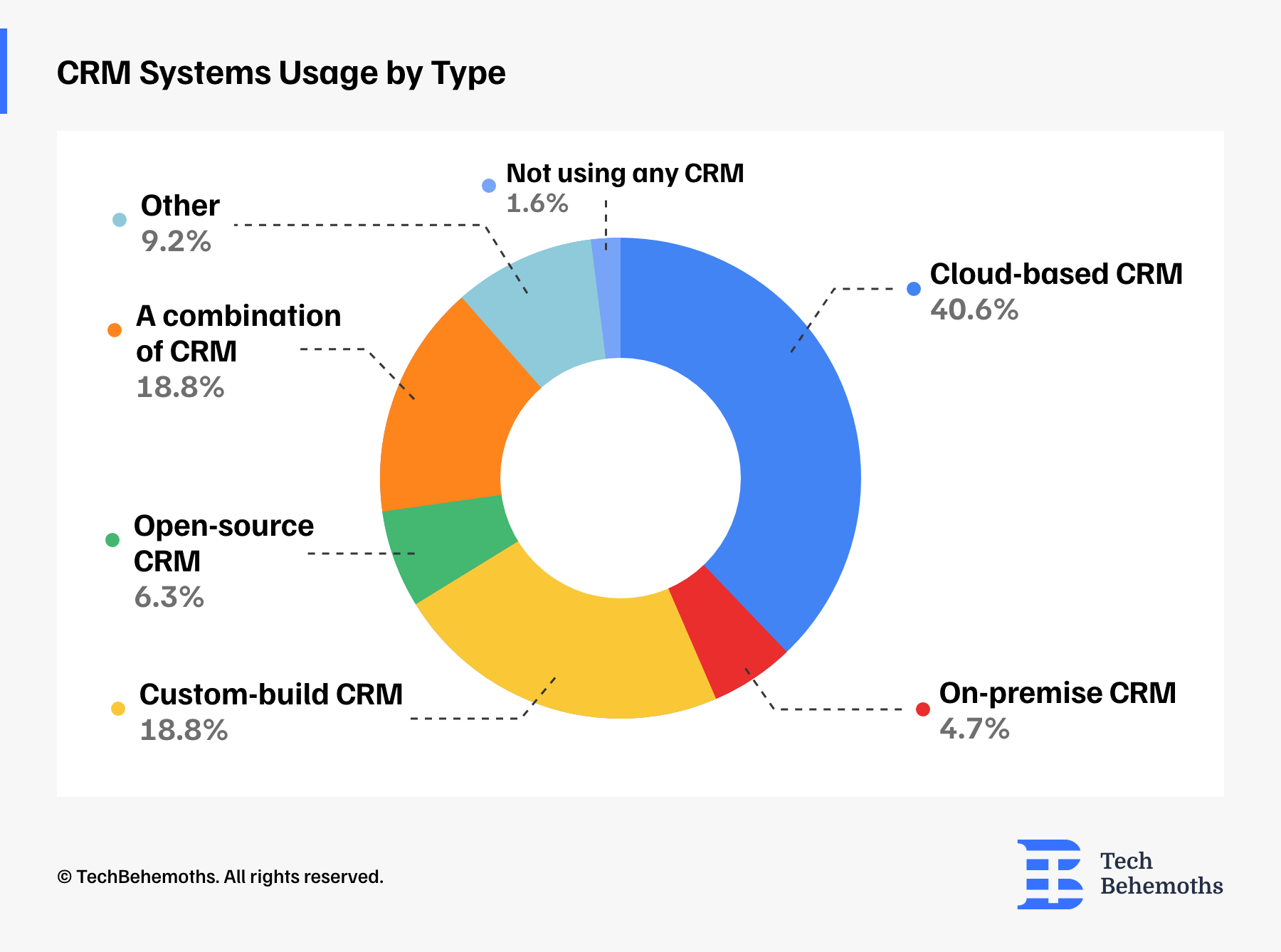
According to a recent survey, over 40% of businesses prefer to use cloud-based CRM systems, due to scalability, ease of integration, and automatic updates. Examples include Salesforce, HubSpot CRM, and Zoho CRM.
Around 19% of businesses use custom built CRMs and 1.6% don’t use any CRMs. This means that about 20% of businesses need flexible solutions to address their unique workflows and integrate seamlessly with their existing systems.
How long have companies been using CRMs?
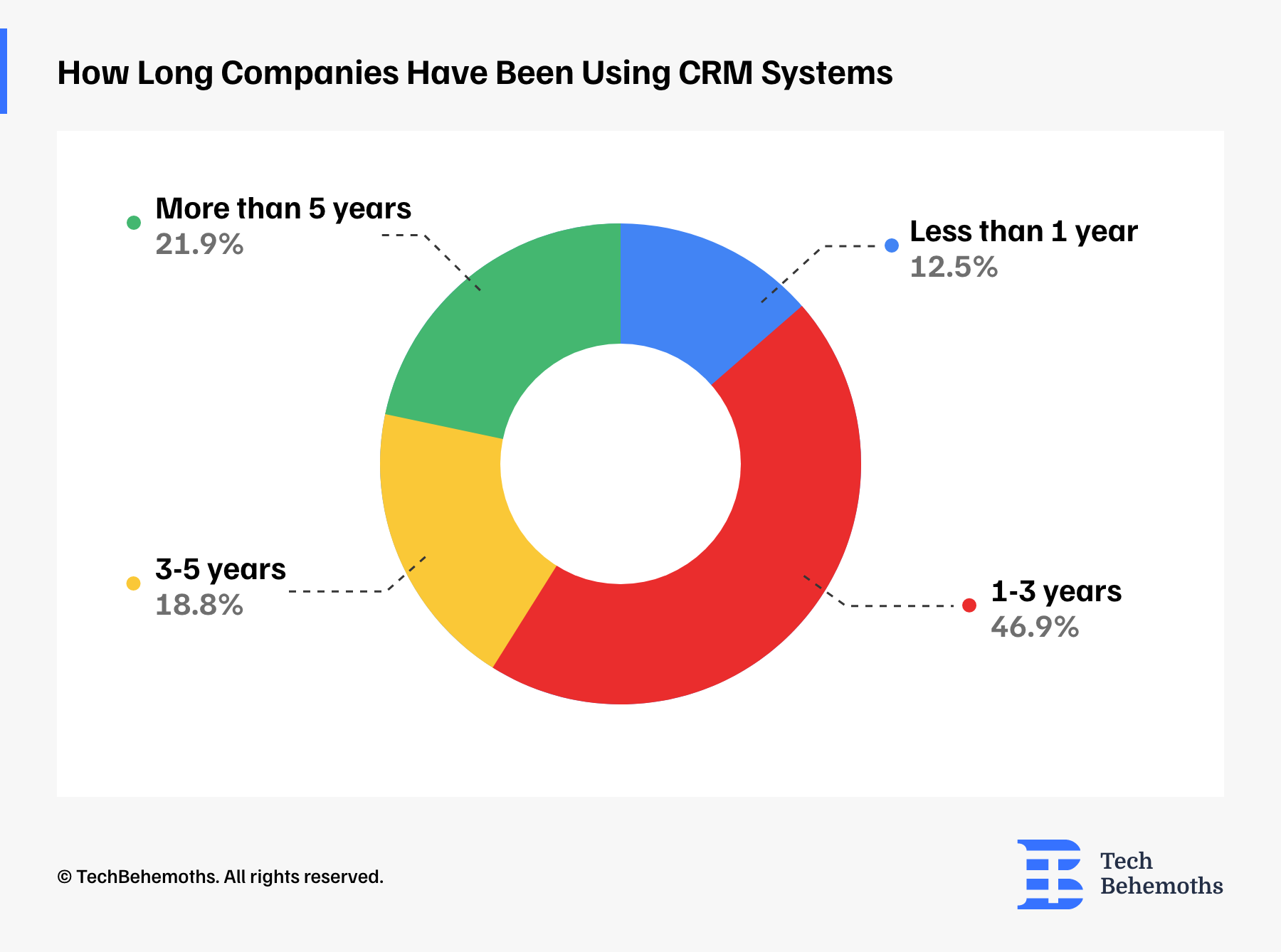
The survey data shows that CRM adoption is still work in progress for many tech companies. The largest group of respondents , around 47% have been using CRM systems for 1-3 years. Another 12 % have been using CRM systems for less than 1 year, meaning that some companies are just getting started with CRM.
Why do tech businesses use CRMs?
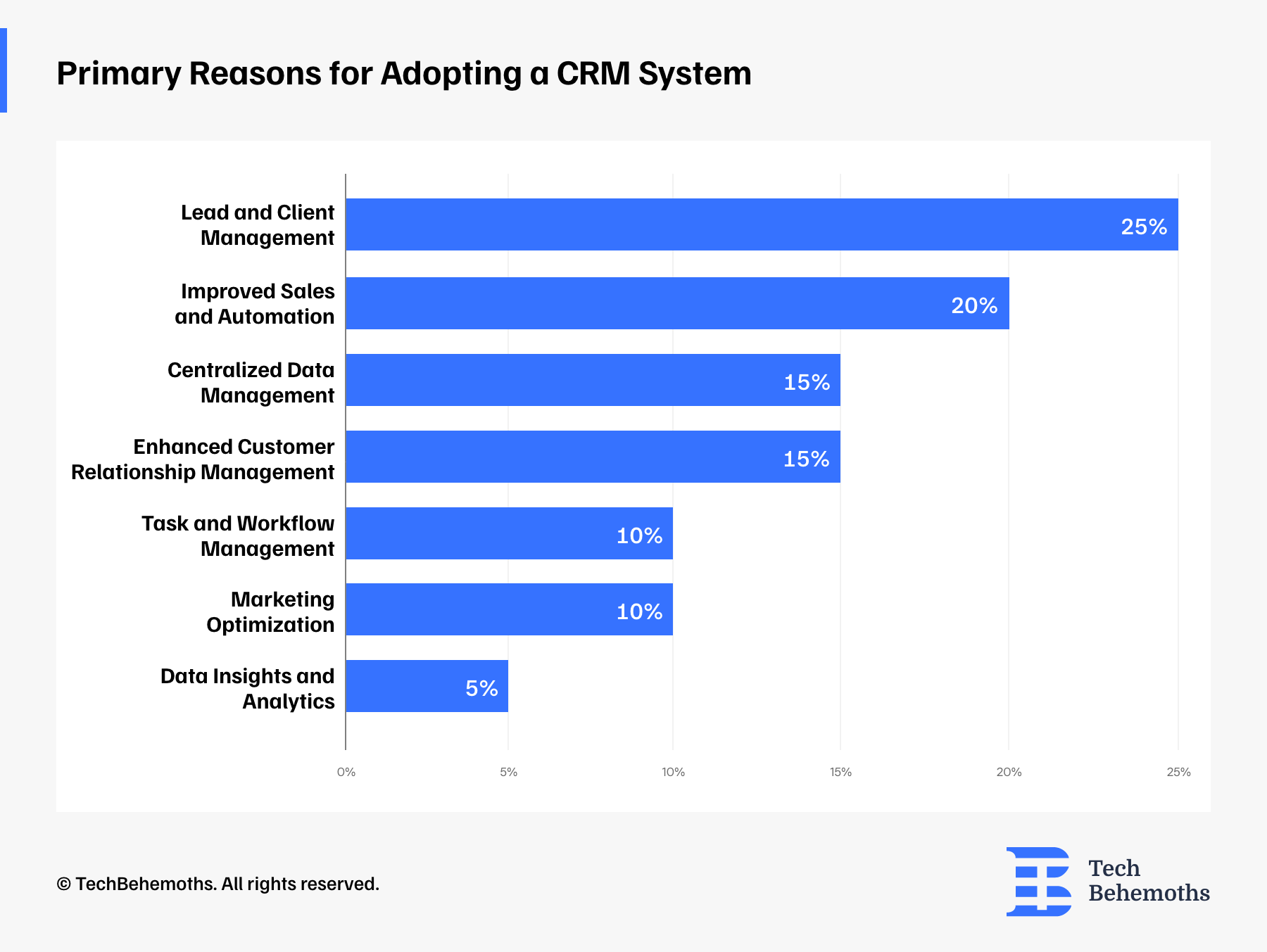
Many professionals think that CRM systems are essential for lead and client management. They help track contacts, organize information, and effectively strengthen customer relationships.
How to measure the success of a CRM system?
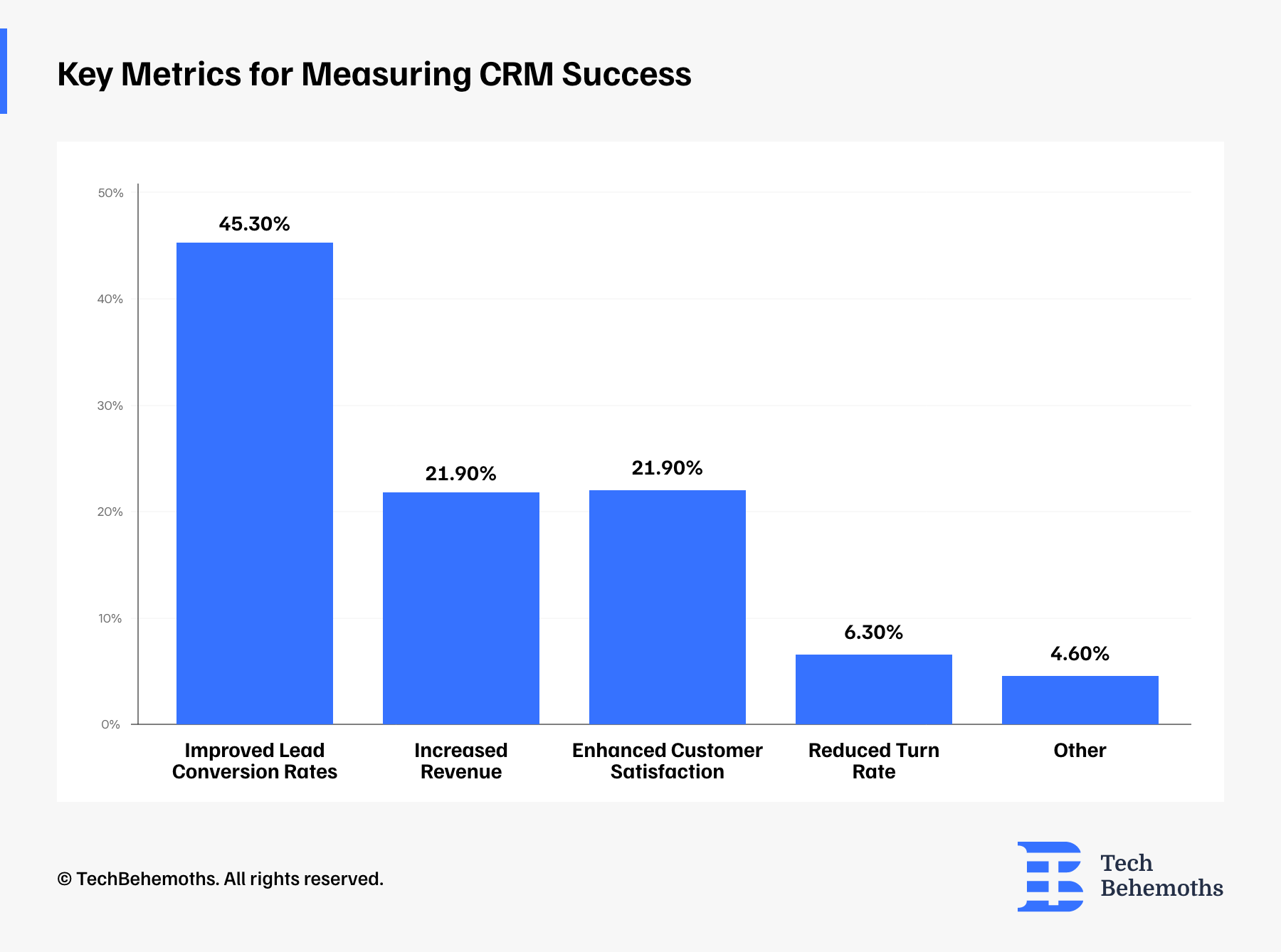
Here are some metrics that you can use to measure the success of your CRM system, based on survey data.
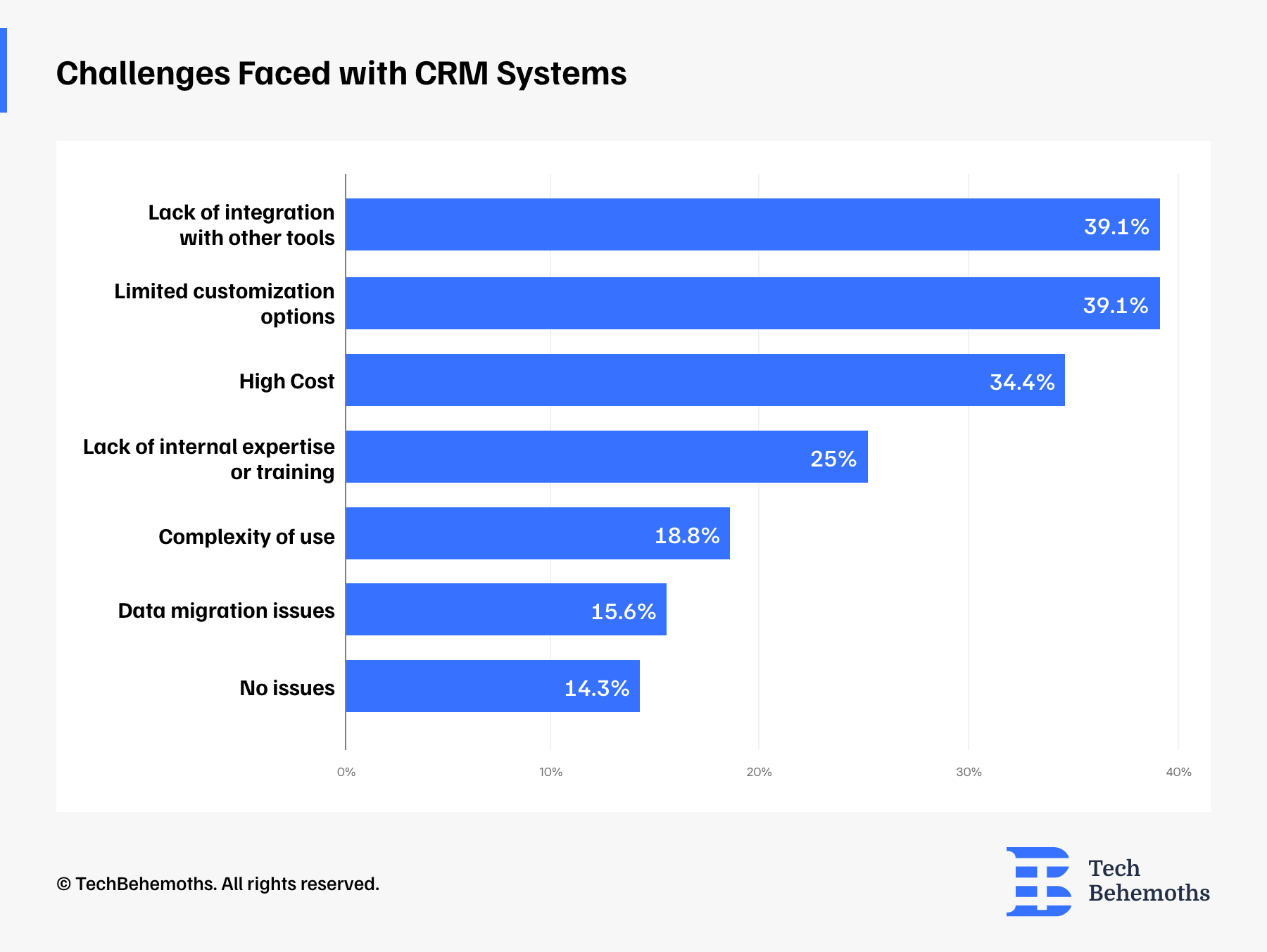
Almost 40% of IT businesses struggle with CRM integration/customization
Most survey respondents noted that lack of integrations with other tools and limited customization options are major issues. This might be an opportunity to work with the right CRM consulting partners that will map the right tools and processes when implementing a CRM system.
Another challenge is the high cost of CRM systems, and the lack of in-house expertise or training. This highlights the need for user-friendly designs and training programs to help users.
Complexity is also an issue, affecting 19% of respondents who find CRMs hard to use. Data migration problems concern around 16% of users when switching to new systems.
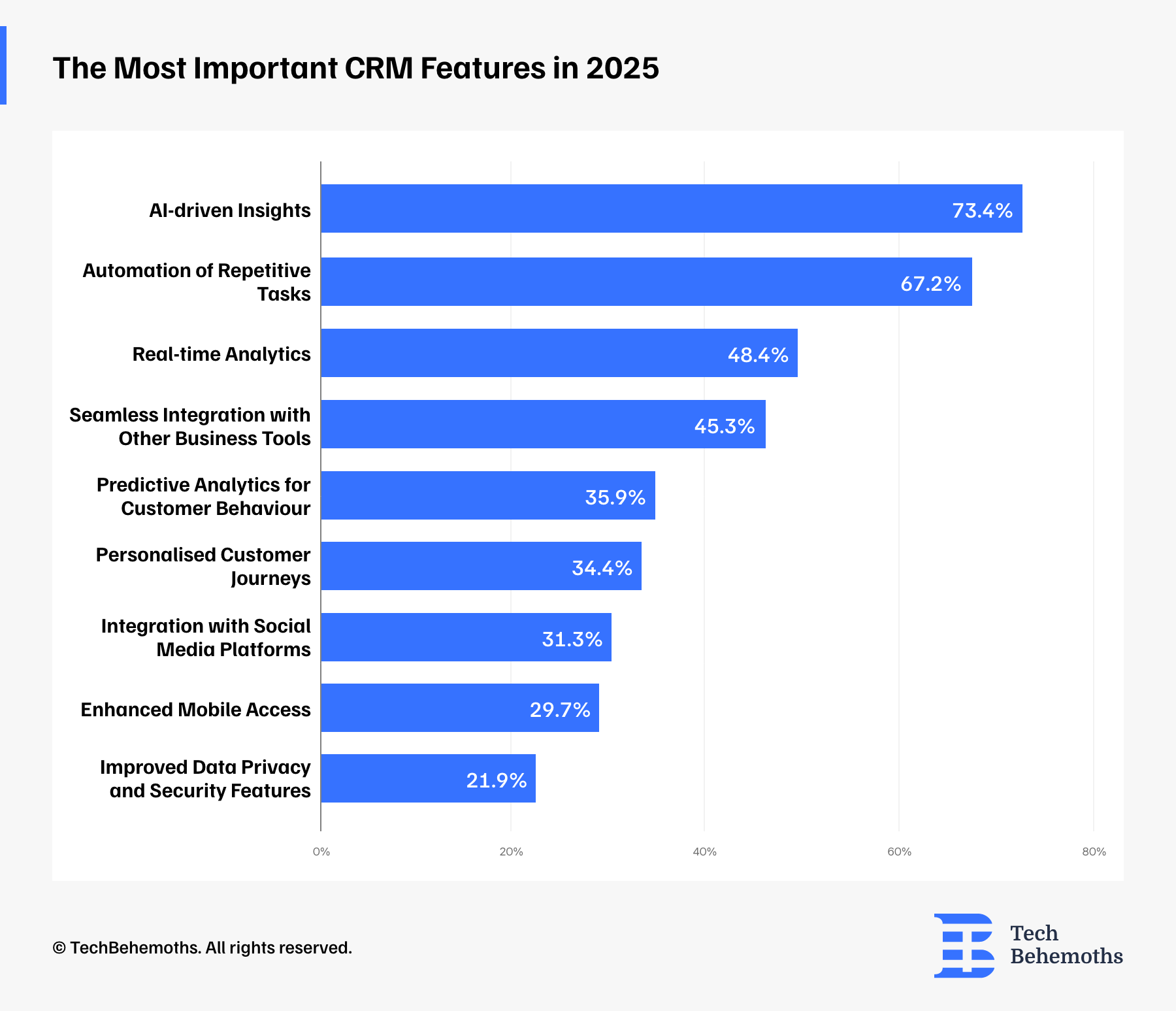
What to look for when choosing a CRM?
The most important CRM features reflect a strong focus on innovation, efficiency, and connectivity. AI-driven insights, automation, real-time analytics are among the top desired features for efficient CRMs.
Useful CRM and other tools for sales teams
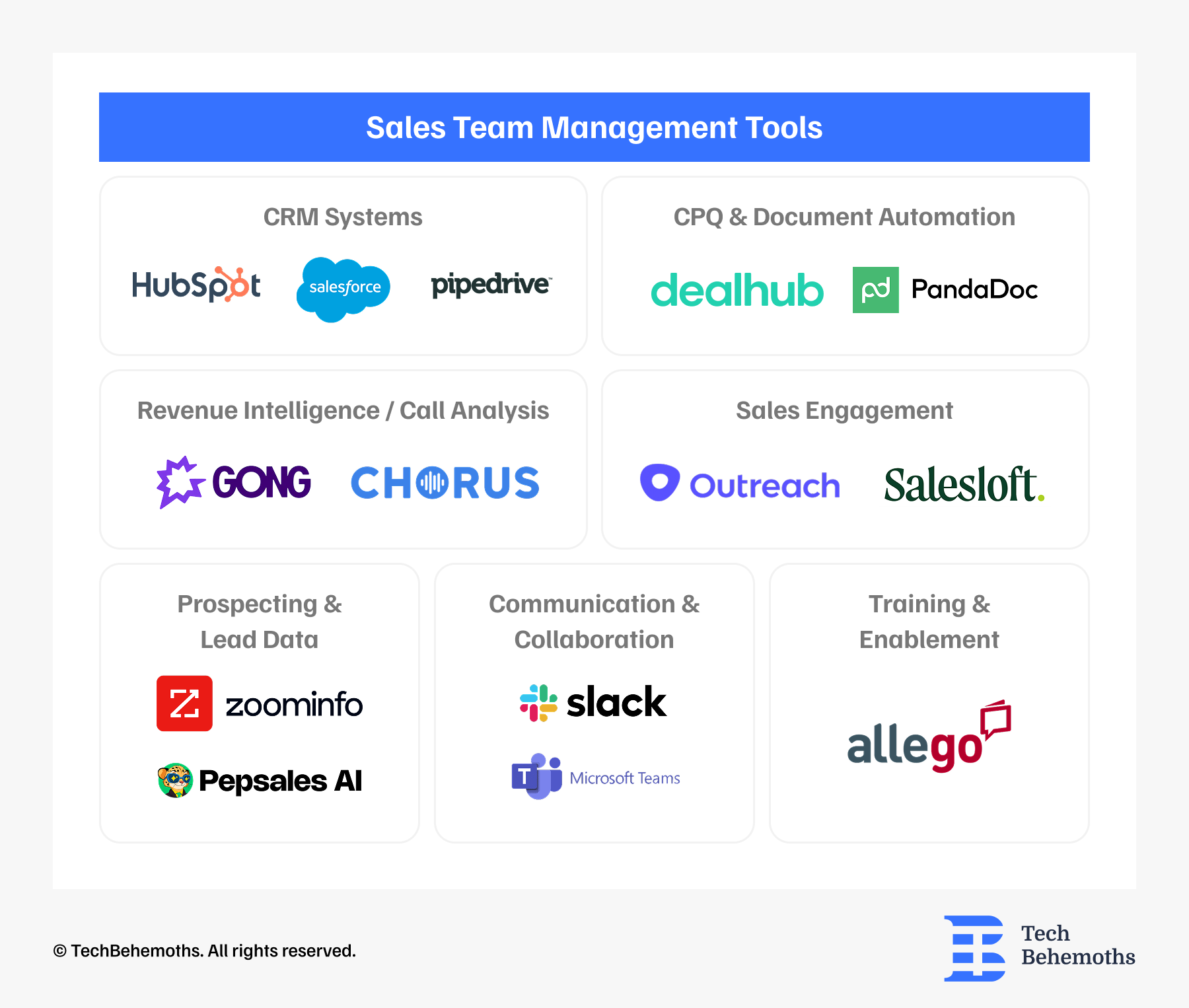
Here is the recommended list of tools that will help you monitor, manage and properly evaluate all sales processes and details, including communication and customer service of the sales team.
1. CRM Systems
These are the systems that keep track of all your customers and offers in one place. Examples: Salesforce, HubSpot, Pipedrive
2. CPQ & Document Automation
These tools automatically generate prices, offers, and contracts, saving you time spent on manually created PDFs. Examples: DealHub, PandaDoc
3. Revenue Intelligence / Call Analysis
These are programs that record and analyze sales calls, so you can see what works and better estimate the chances of closing deals. Examples: Gong, Chorus.ai
4. Sales Engagement
Tools that help automate messages, follow-ups, and contact sequences with potential customers. Examples: Outreach.io, SalesLoft
5. Prospecting & Lead Data
Platforms that find and verify potential customers (including emails, positions, company, etc.). Examples: ZoomInfo, Pepsales AI
6. Training & Enablement
Platforms for training the sales team, which provide materials, coaching and examples of best practices. Examples: Allego
Use advanced filters on TechBehemoths platform or submit your project requirements to get relevant service providers for your next CRM related integrations or customizations.