AI vs. Human Advertising: Pros, Cons, and What Works Best


Summary
AI is changing how ads are made, but not every brand is getting it right.
This article breaks down the pros and cons of AI in advertising, with examples from Coca-Cola, Pedigree, Klarna, and others, and helps you understand when AI works, when it backfires, and when human creativity still wins.
In 2024, Pedigree used AI to place shelter dogs into large-scale ad campaigns. In test markets, around 50% of the featured dogs were adopted within two weeks. That same year, Coca-Cola turned to AI to remake its iconic Christmas ad, and faced mixed reactions, including criticism and a noticeable drop in positive brand sentiment. Same technology, opposite outcomes.
So is AI replacing human-made advertising, or amplifying it? And why do some AI-driven campaigns win major awards while others face backlash?
In today’s article, we’ll explore how major companies are using AI in advertising, the real pros and cons, what audiences actually think, and what comes next.
Artificial Intelligence in Advertising Is Not New
Unbelievable, perhaps, is the fact that AI has been part of advertising longer than most people think.
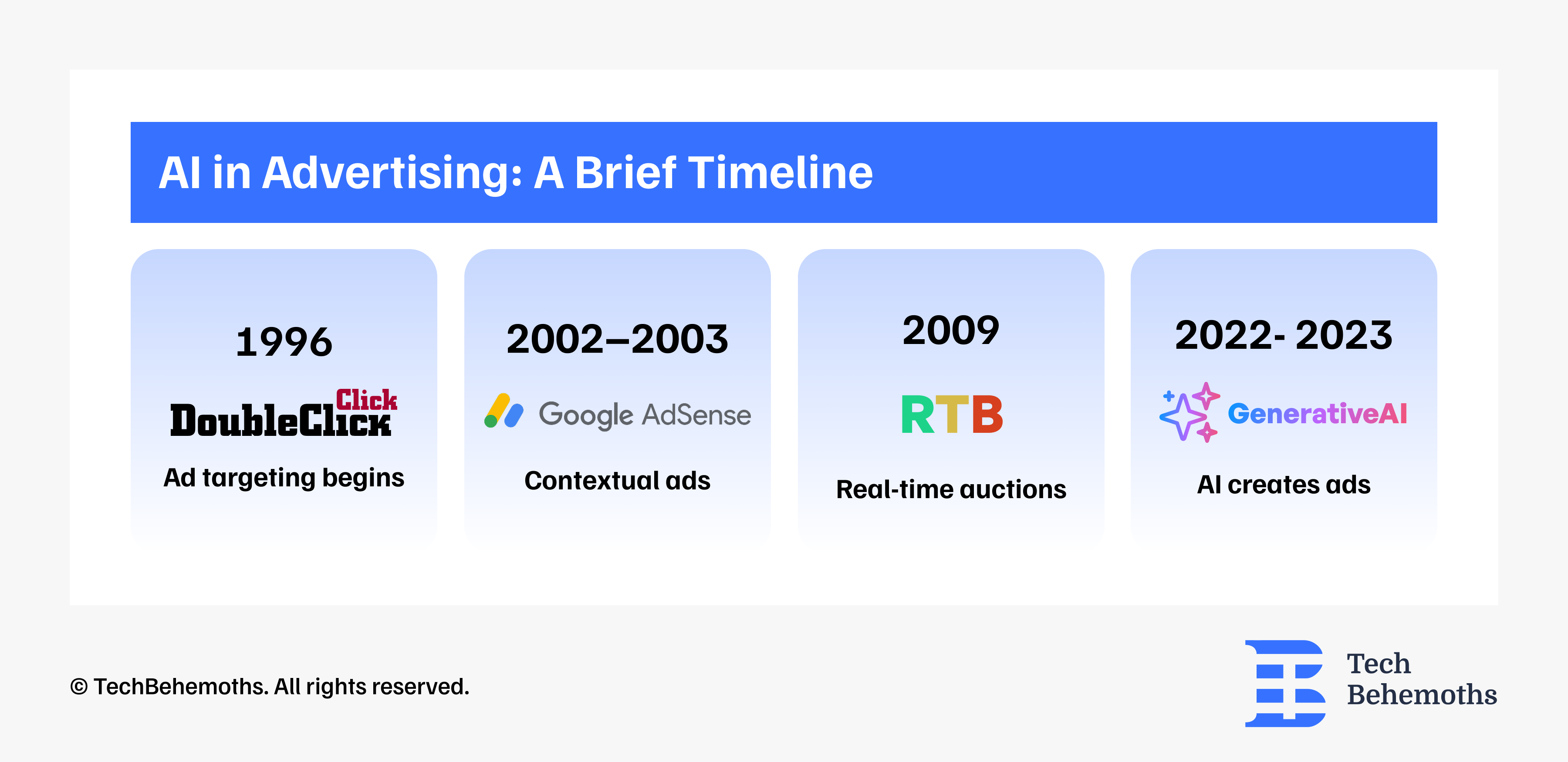
When DoubleClick started in 1996, and Google AdSense began showing ads based on content in 2002, machines were already deciding which ads reached which audiences and when.
Real-time bidding, the automatic auction that now controls most digital display advertising, began in 2009. For over twenty years, AI has been the hidden support of the advertising industry.
What Actually Changed?
What changed around 2022–2023 wasn’t the use of AI in advertising - it was its visibility. Suddenly, generative AI tools moved AI from the back-end infrastructure to the front-end creative process. The ad itself, the image, the script, and the video could now be produced by a machine.
The industry didn’t ease into this transition; it accelerated. Today, more than half of all marketers are already using generative AI for creative content.
Pros of AI in Advertising
And still, what are the advantages that attract companies to use AI in their advertising campaigns? Here are the top five benefits, along with examples:
#1. Faster campaign creation
Campaigns that once required weeks of planning, production, and editing can now be generated in hours.
For example, Kalshi produced a nationally aired TV spot using one person and generative AI in just 48 hours.
The world’s gone mad pic.twitter.com/VmoDLbwk1v
— Kalshi (@Kalshi) June 11, 2025
#2. Ability to generate more content at scale
AI allows brands to produce large volumes of content in a fraction of the time, making it easier to run multi-channel and multi-market campaigns simultaneously.
Pedigree’s “Adoptable” campaign used AI to insert real shelter dogs into its advertising at scale, enabling a level of personalization and coordination that would be nearly impossible to achieve manually.
#3. Lower production costs
AI reduces production costs by making it easier to create visuals, copy, and video, giving smaller teams and startups access to opportunities that previously required large budgets and external agencies.
That same Kalshi campaign was produced at a cost of around $2,000, a fraction of traditional production budgets.
#4. Rapid testing of creative variations
AI allows brands to test hundreds of creative variants simultaneously, helping them quickly identify the most effective ones.
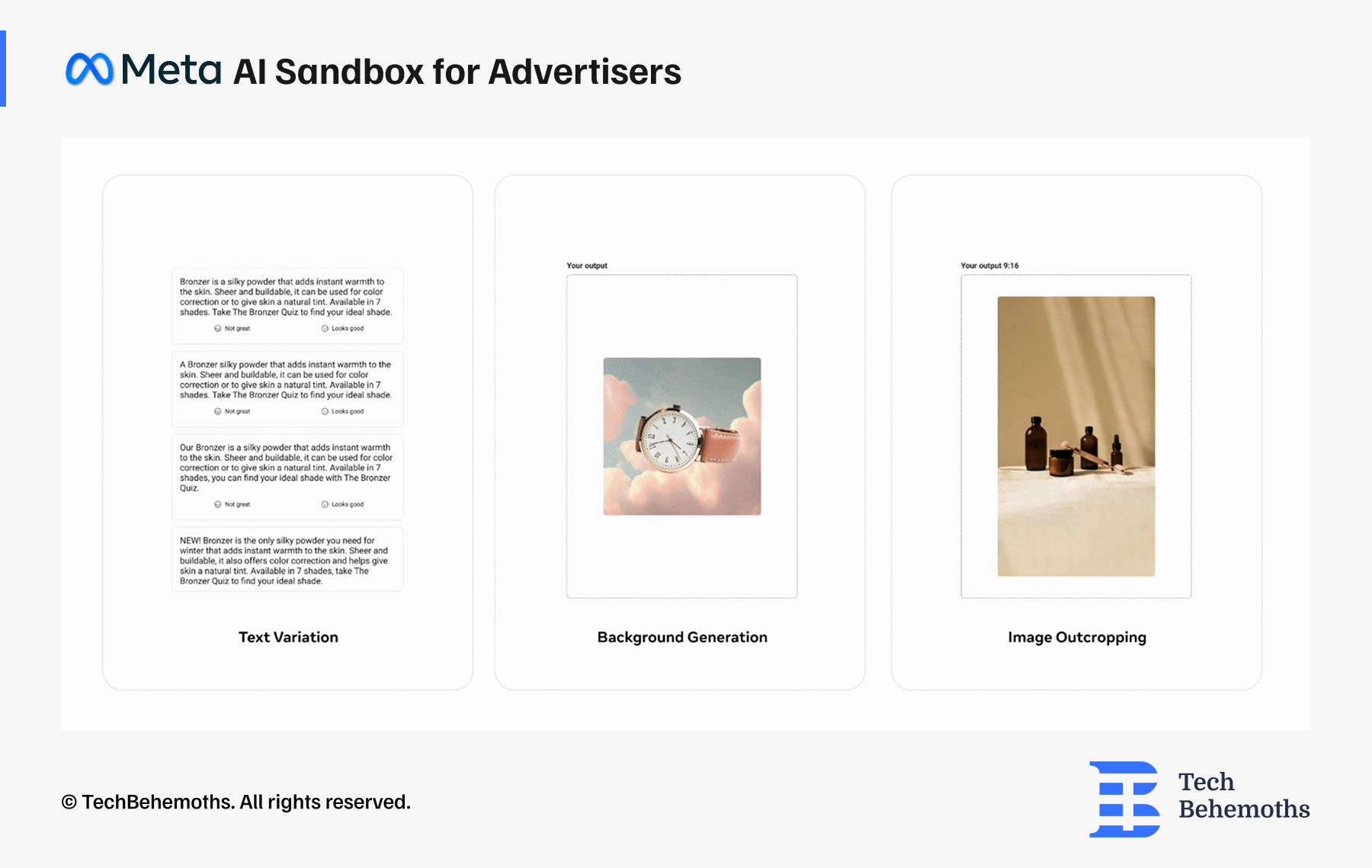
For example, Meta introduced its AI Sandbox in 2023 as a testing environment for generative ad tools, enabling advertisers to generate multiple variations of copy and visuals and better understand what resonates with different audiences.
#5. Real-time optimization
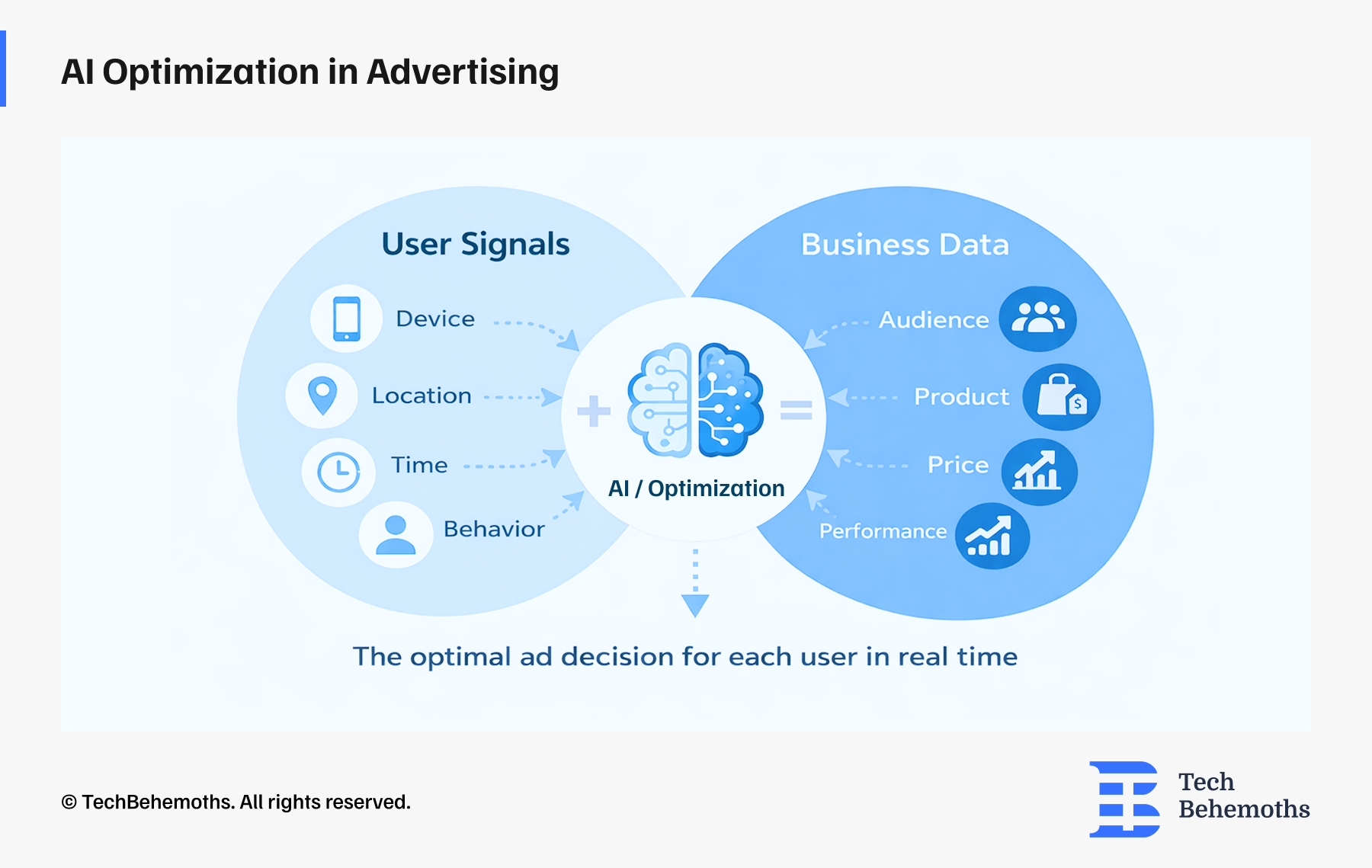
AI enables real-time optimization of creative content across multiple audience segments, ensuring more relevant and effective messaging.
For example, Google’s AI-powered campaigns use real-time signals to automatically adjust bidding and ad delivery, optimizing performance based on user behavior and context.
Looking to implement AI in your advertising strategy?
Explore top Artificial Intelligence companies on TechBehemoths
Cons of AI in Advertising
While there are advantages to using AI in advertising campaigns, there are also disadvantages. What are the risks? Here are the top five cons.
#1. Creatives that feel artificial
AI-generated creative can sometimes feel slightly off, almost human, but not quite, making ads seem artificial or inauthentic.
For example, Coca-Cola’s 2024 AI-generated Christmas campaign received mixed reactions, with some viewers criticizing the visuals for feeling unnatural or lacking emotional depth.
#2. Emotional disconnect and lack of cultural nuance
AI can generate content quickly, but it often lacks genuine human insight, emotion, and cultural nuance, which can result in a tone and emotional mismatch, making ads feel generic or disconnected from real audiences.
For example, McDonald’s Netherlands faced backlash after releasing an AI-generated Christmas campaign that missed the emotional tone of the holiday season and was quickly withdrawn following public criticism.
#3. Over-reliance on automation
Relying too heavily on AI can lead to repetitive, less original campaigns that struggle to stand out without strong human direction.
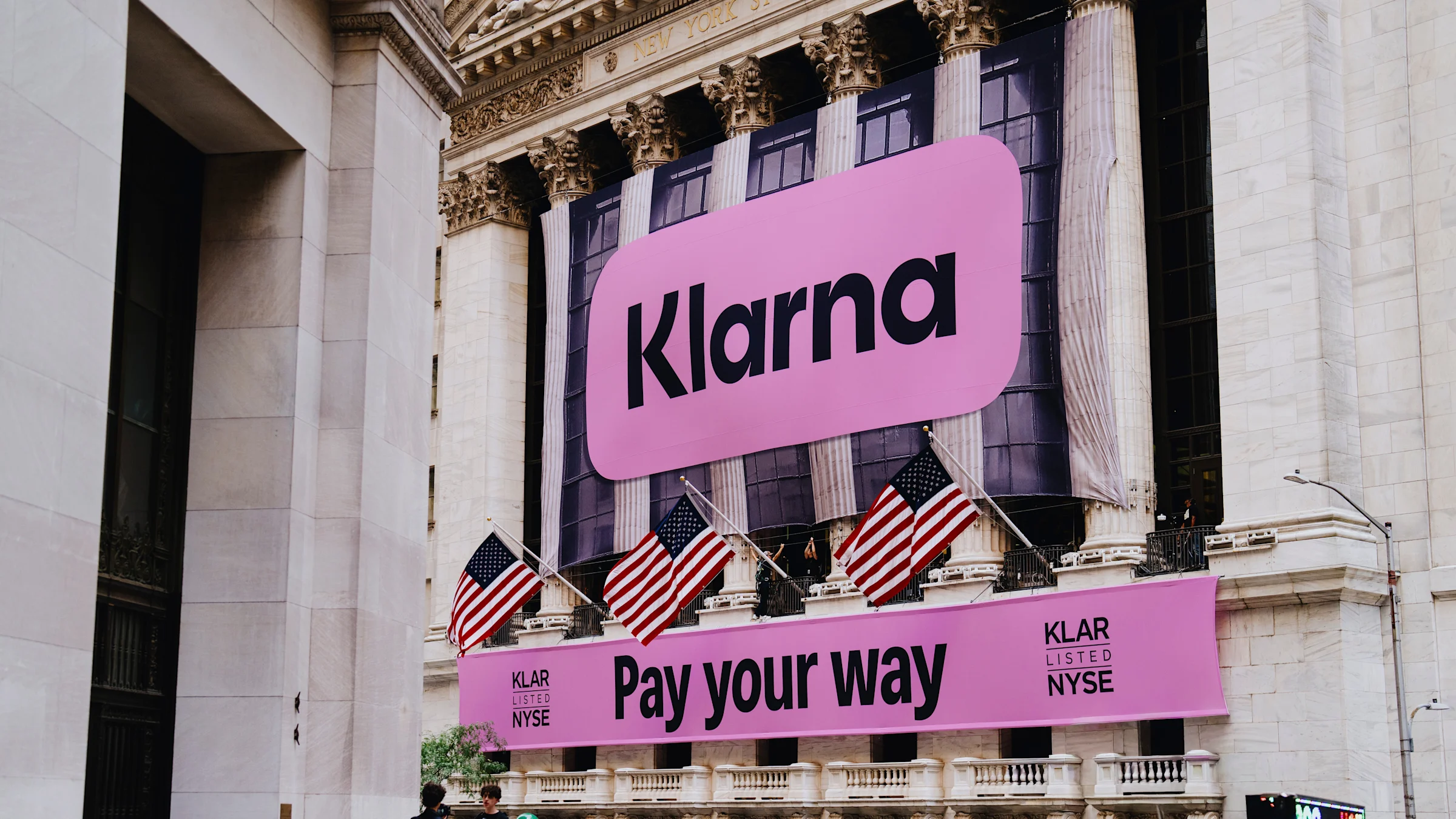
Klarna, for example, invested heavily in AI-powered workflows, but later recognized that overreliance on automation led to lower quality, reinforcing the need for human input to maintain brand performance and experience.
“As cost unfortunately seems to have been a too predominant evaluation factor when organizing this, what you end up having is lower quality.”
Sebastian Siemiatkowski CEO, Klarna
Source: https://uk.news.yahoo.com/klarna-boss-says-ai-let-110036500.html
#4. Risk of negative reactions to the brand
AI-generated campaigns can attract negative reactions if they feel poorly executed, especially when audiences perceive them as replacing traditional creative work and leading to a loss of trust.
Toys “R” Us used AI to create a brand film about its founder, Charles Lazarus, a deeply human story, which sparked mixed reactions, with some viewers questioning the use of AI for such an emotional narrative.
For brands built on nostalgia and emotional connection, the risk isn’t just a bad ad; it’s a feeling that something meaningful has been lost.
#5. Lack of clear governance
There are not enough rules, safeguards, and guidelines for how AI should be used in advertising, creating risks around quality, ethics, and brand safety.
For example, AI-generated ads have already been used in scam campaigns, including public figures like Elon Musk or MrBeast, without their consent, highlighting the lack of clear accountability and regulation.

Human Advertising: When Does It Still Win?
AI can produce faster, cheaper, and at scale. But there are specific contexts where human creative work doesn't just compete with AI, it wins by default.
When the brand is built on a human story.
Founders, athletes, and real customers, these narratives require a human hand to feel credible. Toys "R" Us learned this the hard way.
When the campaign lives or dies on humor.
Timing, cultural subtext, knowing exactly where the line is, because these are instincts, not just prompts.
When the brand needs to take a position.
On a social issue, a cultural moment, or a sensitive topic, someone needs to make a judgment call, not an optimization. This responsibility must fall on one person.
When you're playing the long game.
AI excels at short-term metrics such as clicks, conversions, and A/B results. Building a brand that people trust over the decades requires a consistency of vision and judgment that no model currently supports over time.
Here's how the two approaches compare at a glance:
| AI Advertising | Human Advertising | |
|---|---|---|
| Speed | Hours to days | Weeks to months |
| Cost | Significantly lower | Higher |
| Emotional depth | Limited | Strong |
| Scale | Unlimited | Resource-dependent |
| Cultural nuance | Weak | Strong |
| Public Trust | Mixed | Generally higher |
Conclusion
So, Should Your Brand Use AI in Advertising?
The short answer is: it depends on what you're trying to do.
Use AI when you need speed, scale, and cost efficiency. When you're running multi-market campaigns, testing creative variations, or optimizing in real time, AI is the right tool. It does these things faster and cheaper than any human team.
Don't rely on AI alone when your campaign depends on emotional authenticity, cultural nuance, or a human story. When the brand promise is built on warmth, trust, or nostalgia, a human hand still makes the difference.
The brands winning with AI right now aren't the ones using it for everything. They're the ones using it for the right things. And knowing the difference is still a very human skill.
Need help with your advertising strategy?
Check our list of top Advertising Companies
Related Questions & Answers
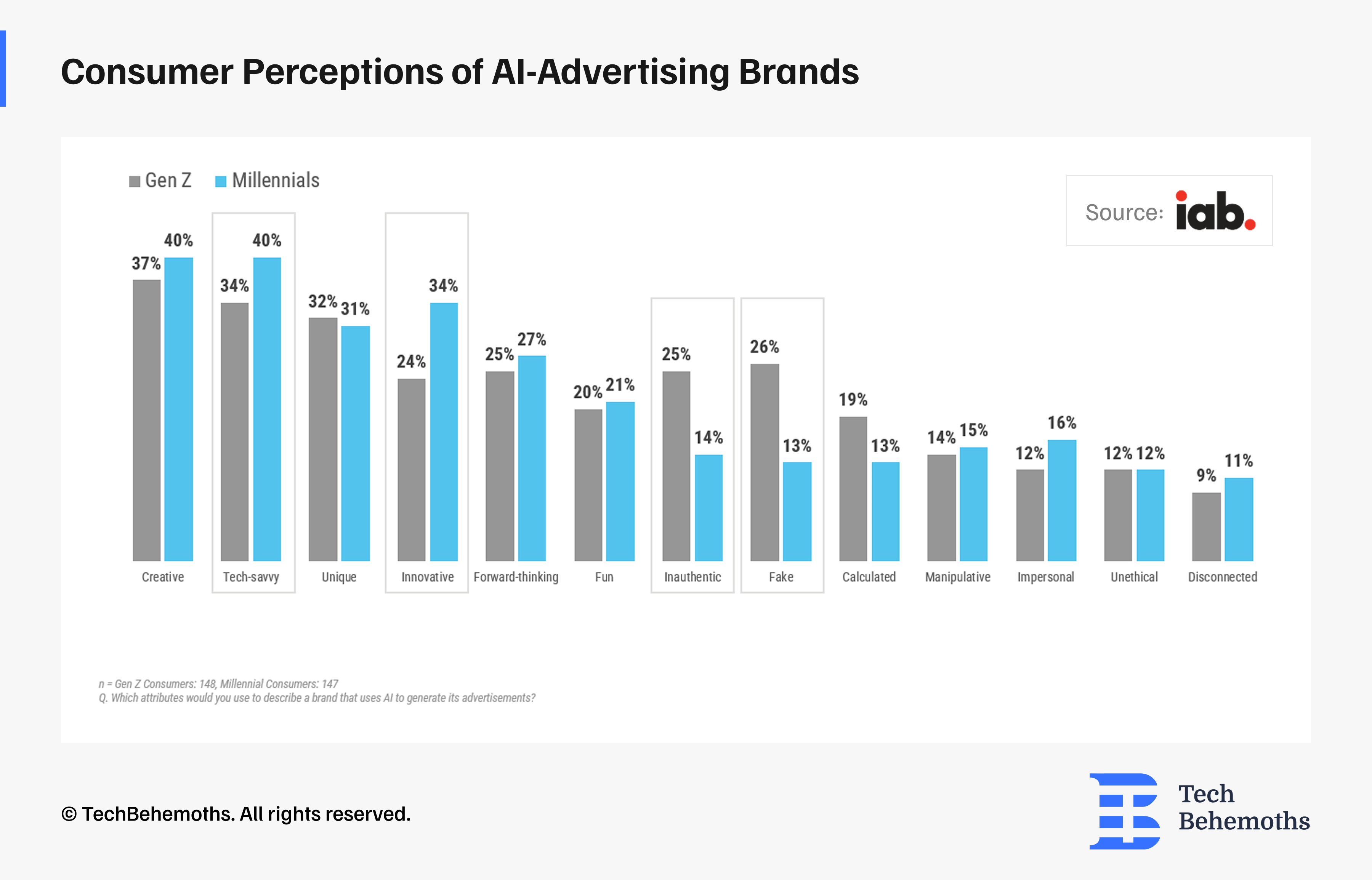
Which generation is most open to AI-generated advertising?
What industries benefit the most from AI-driven advertising?
Where should companies draw the line between automation and human input in advertising?
I absolutely love embracing new opportunities and connecting with people. Every project is a chance to analyze, create, and work until I am satisfied with the results. Bringing creativity into every aspect of my work offers a fresh perspective on turning ideas into reality. Paying attention to the details is key because it's the little things that truly make all the difference.
Discover more TechBehemoths Insights
Learn practical tips and insights about IT Companies, how to find the right company for your projects.
Read the latest news about Market Trends and fresh Interviews.