5 Tips to Boost Your Brand Awareness via Email Newsletters + Practical Steps


Summary
Email newsletters remain one of the most reliable ways to increase brand awareness and stay connected with your audience, especially when they’re used as part of a wider email marketing strategy. The State of Email Report 2025 confirms that email continues to deliver strong returns, making it a channel worth consistent investment.
Overall, the takeaway is clear: newsletters work best when they’re thoughtful, relevant, and consistent. When done right, they become more than promotional emails; they turn into a dependable way to educate, engage, and build lasting relationships with subscribers throughout the year.
When it comes to increasing revenue and brand awareness, email newsletters are only one part of the picture. Actually, you can use several different types of emails to keep customers interested in and loyal to your brand.
This article discusses how you can begin raising awareness with your communications.
What is Email Marketing?
Email marketing is a business strategy that involves using email to connect and communicate with its clientele. This type of direct marketing is used to educate consumers, raise brand awareness, and advertise particular goods and services. Although email marketing has a long history, modern marketers use email marketing software and automation to create customized email campaigns that reach clients wherever they are in their journey.
What is a Newsletter?
A newsletter is an email that is sent to a particular list of subscribers on a regular basis. It follows a regular format and timetable and includes news or carefully chosen content about a particular subject or organization.
The golden rule is to send emails as often as you can, providing valuable, interesting, and relevant content. Businesses can maintain contact with clients who have indicated interest in receiving marketing communications by using newsletters. Newsletters are crucial to email marketing, whether they are used for promotional or instructional purposes.
Using email to accomplish a business objective is the fundamental definition of email marketing. An email arrives directly in a person's private inbox, making this channel more intimate than social media, where you compete with innumerable other posts.
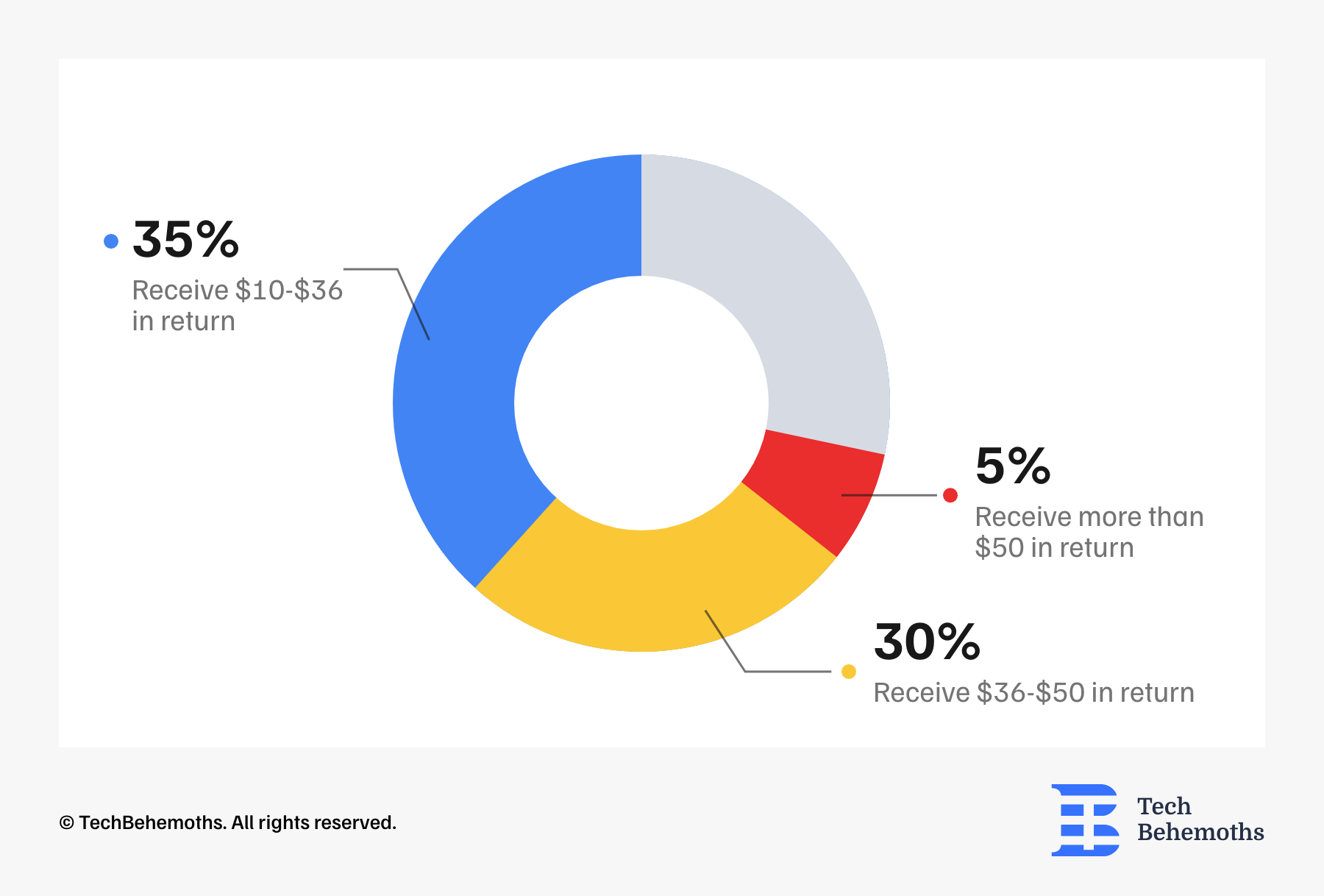
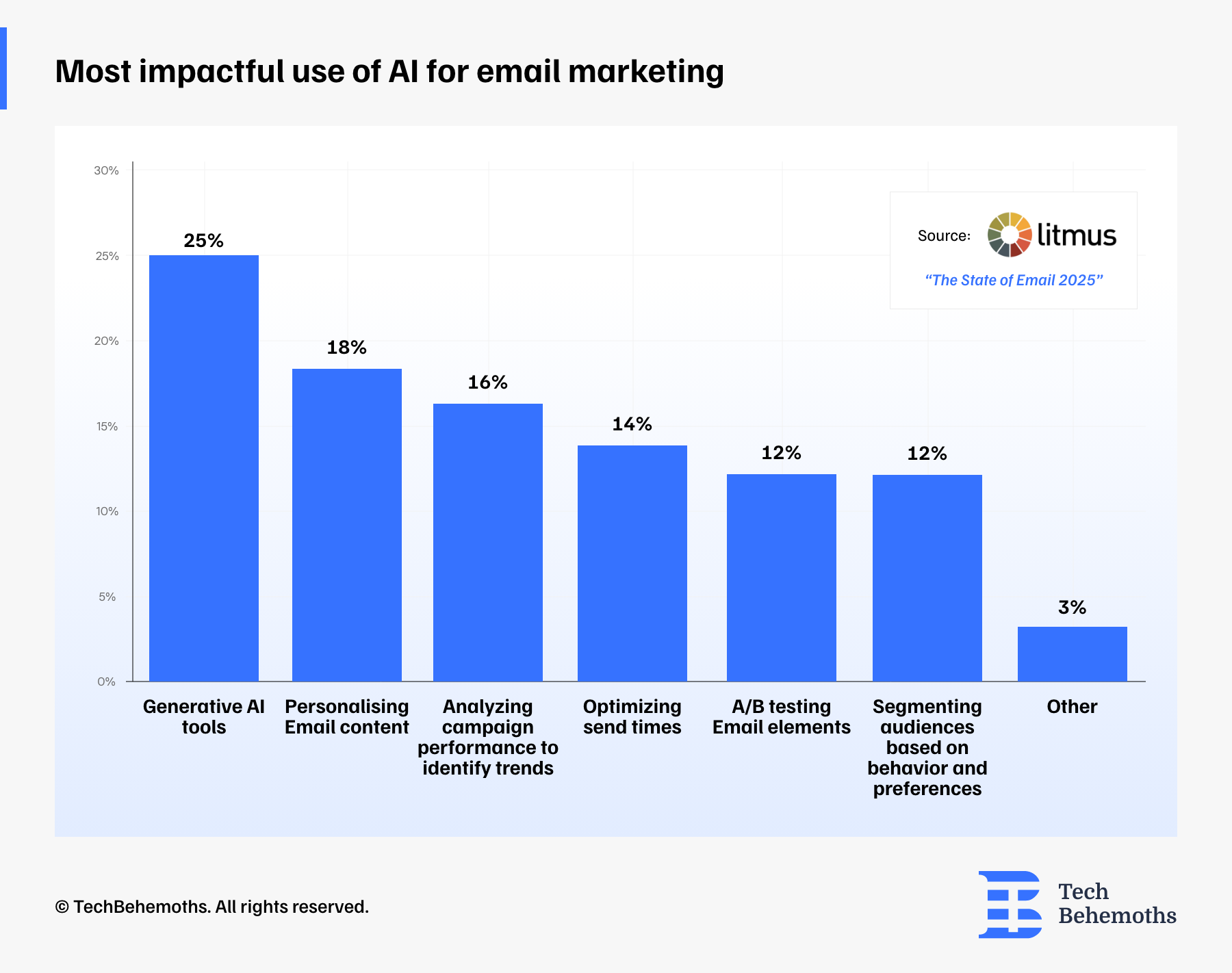
According to the State of Email report 2025, for every $1 marketing leaders spend on email marketing:
How to Turn a Newsletter Into a Brand-Awareness Engine
Launch Re-Engagement Initiatives
Businesses use re-engagement campaigns as a tactical strategy to rekindle and reconnect with their lapsed customers. Customers are shown the importance of this connection through a hyper-personalized approach and meaningful messages that spark dormant users' interest and motivate them to participate more actively in this communication.
Here are some excellent suggestions for incorporating re-engagement strategies into your email marketing strategy:
- To get customers interested, introduce a new feature or send sneak peeks of what's to come.
- Refresh subscribers' memories with a skillfully written email that emphasizes the advantages and worth of your brand.
- Utilize customer information and past purchases to provide tailored suggestions. (Upselling, cross-selling, and reaching out to dormant users are all excellent uses for this.)
- During sales anniversaries, milestones, or birthdays, give out exclusive discounts.
- Provide social proof to your clients to boost their trust in your brand. (To demonstrate your appreciation for their viewpoint, ask for feedback.)
Use Referral and Loyalty Programs to Reward Subscribers
One of the most well-liked, tried-and-true, and successful email newsletter strategies you can use to cultivate your subscribers year-round is loyalty and referral programs. The theory is valid.
Long-term client loyalty and the majority of loyalty programs are based on rewards. Everybody enjoys receiving extra for their purchases. When customers consistently receive it, they develop a strong emotional bond with the brand that encourages them to keep up their connections.
The most well-liked concepts for putting loyalty and referral programs into email channels are listed below:
- To get customers interested, introduce a new feature or send sneak peeks of what's to come.
- Invite former members to join a new loyalty program.
- Tell your clients about their available rewards and point balance.
- Give members access to special advantages that are not available to non-members.
- To show your dedication to and involvement in these relationships, tailor the offer experience and content based on previous purchases.
- Provide multiple incentives. To enhance this experience, these could include discounts, complimentary goods, webinars, infographics services, or exclusive access to events or merchandise.
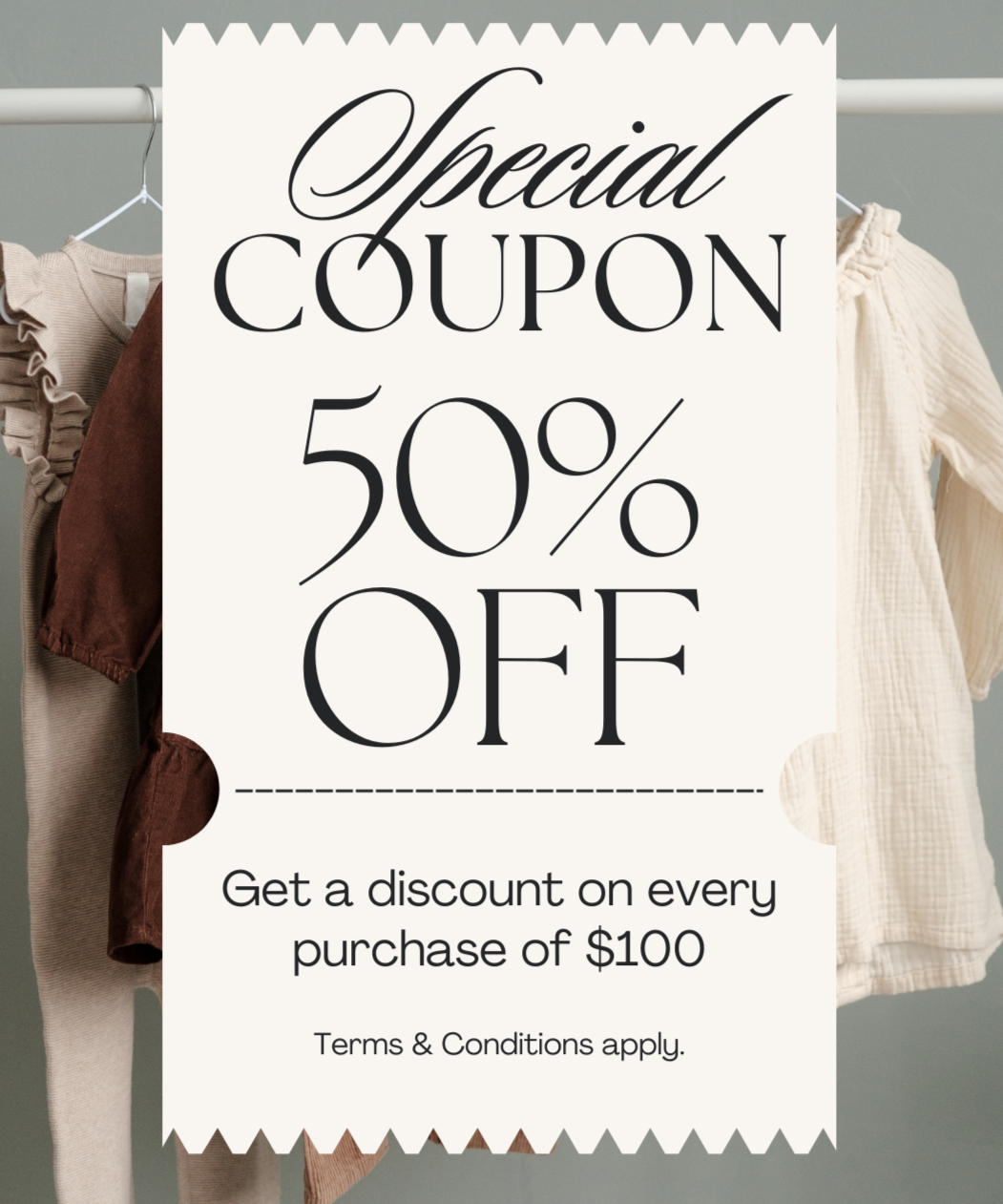
Source, Canva
To effectively incentivize subscribers with loyalty and referral programs, a business must offer meaningful, personalized rewards that align with the value customers bring, communicate progress and benefits clearly, and create a sustainable system that fosters long-term engagement, repeat purchases, and brand advocacy.
Inform and Educate Your Subscribers
In order to keep subscribers interested throughout the year, your email newsletter strategies must remain innovative, competitive, and fresh. It is simple to lose sight of your creativity and follow the wrong path when attempting to fulfill your objective of filling your plan with campaigns that will keep your customers interested in your brand, believing that all customers need is a promotion or discount.
These are the most well-liked suggestions for developing educational email newsletter strategies that will add valuable and significant interactions to your 365-day marketing calendar.
- Interview leaders, experts, or devoted subscribers, then distribute the results to your mailing list members.
- To make readers feel heard and appreciated, create an interactive survey and invite them to express their thoughts on hot-button issues.
- Create round-ups with calls to action (CTAs) to repurpose your old blog posts. As an alternative, you could work with other blogs and distribute their content to your audience.
- Make a case study that highlights the company or the users.
- Respond to readers' inquiries, write pertinent FAQs, and invite them to send you as many questions as they have via AMP emails.
Email newsletters should offer informative, relevant, and valuable content that informs, entertains, or addresses customer interests and pain points in order to keep subscribers interested throughout the year. This will help to create strong, meaningful, and long-lasting relationships.
Campaigns of Gratitude
The only email campaign that could rival holiday emails in terms of favorable customer reactions and high engagement is the one that shows the client how much the business values them. They frequently contain sincere messages from the founders, expressions of gratitude, prizes, or exclusive deals based on the tastes and past purchases of the customers.
Therefore, they are excellent for developing email newsletter strategies that will keep subscribers interested throughout the year. As a personal touchpoint, they could increase customer engagement and foster relationships win over customers who have fallen behind in loyalty and extend the lifespan of customers.
Trigger-Driven Campaigns
The company's continuous communication with subscribers is based on triggered email campaigns. The purpose and content of these automated digital blasts are determined by the behavior, action, or activity of the subscriber. Triggered emails fall into a number of different categories. They might be time-based, demographic-based, or behavior-based.
Professional software is necessary for businesses to appropriately respond to customer behavior and demands. They require ESPs (Email Service Providers) that offer a wide range of triggers. Hyper-personalized emails are essential.
Lastly, triggered emails need to be accessible, mobile-friendly, and responsive. They shouldn't be an afterthought when it comes to readability, design, and user experience. For that, make reusable high-quality email templates using platforms for email marketing.
7 Steps for Creating an Efficient Email Newsletter
1. Determine the Newsletter's Goal First
Set objectives based on the metrics you wish to enhance, such as open rates, engagement clicks, and conversions. For your objective, pick the appropriate market segment and email campaigns.
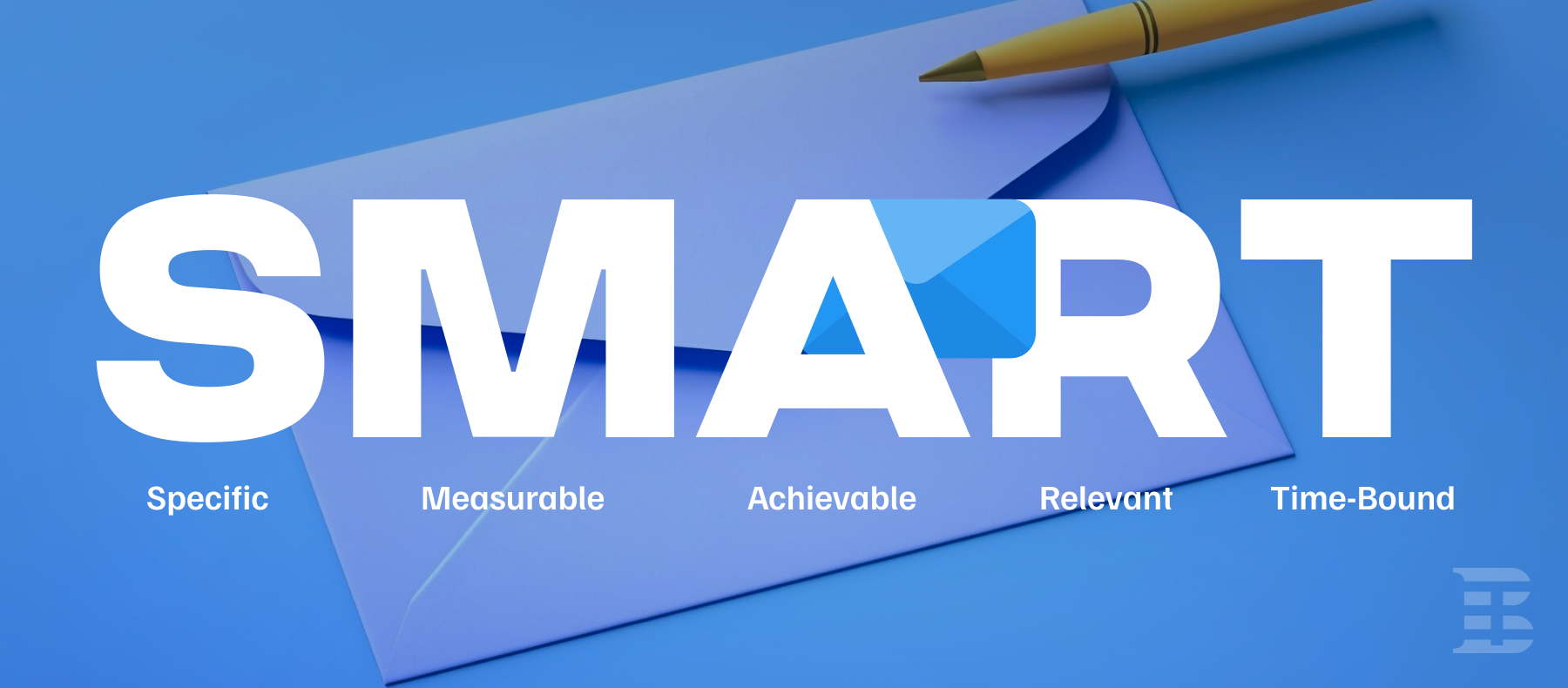
Create SMART objectives, which stand for:
S- Specific
M- Measurable
A- Achievable
R- Relevant
T- Time-bound
Remember to set objectives based on the metrics you wish to enhance, such as open rates, engagement clicks, and conversions. For your objective, pick the appropriate market segment and email campaigns.
Next, formulate a particular hypothesis. You need to decide which variables to look at, and keep in mind that there must be enough time for the email marketing campaign to run. A few hours, days, or even a week could pass. Engagement data from prior campaigns and the size of the sending frequency test group have an impact on the time.
2. Pick a Platform for Email Marketing
The success of your email newsletter depends on having the right platform available to you. Always take into account that the platform you choose will have an impact on the functionality, deliverability, and overall effectiveness of your email marketing campaigns.
- Easy to use: Seek out an email marketing platform with an intuitive user interface. The best platform includes AI-generative features and drag-and-drop functionality. This will facilitate the creation, design, and scheduling of your newsletters even if you don't possess advanced technical knowledge.
- Examine the email deliverability reputation of the platform. To increase email deliverability rates, look for features like spam testing capabilities and authentication procedures.
- Templates: The platform should provide a selection of ready-made, editable newsletter templates. Additionally, you should be able to produce unique ones that complement the style and design of your business.
List management and segmentation: Organising and segmenting your subscribers according to their demographics, interests, or level of engagement requires effective subscriber list management. To improve personalisation and engagement, look for features that support audience segmentation and targeted campaign automation.
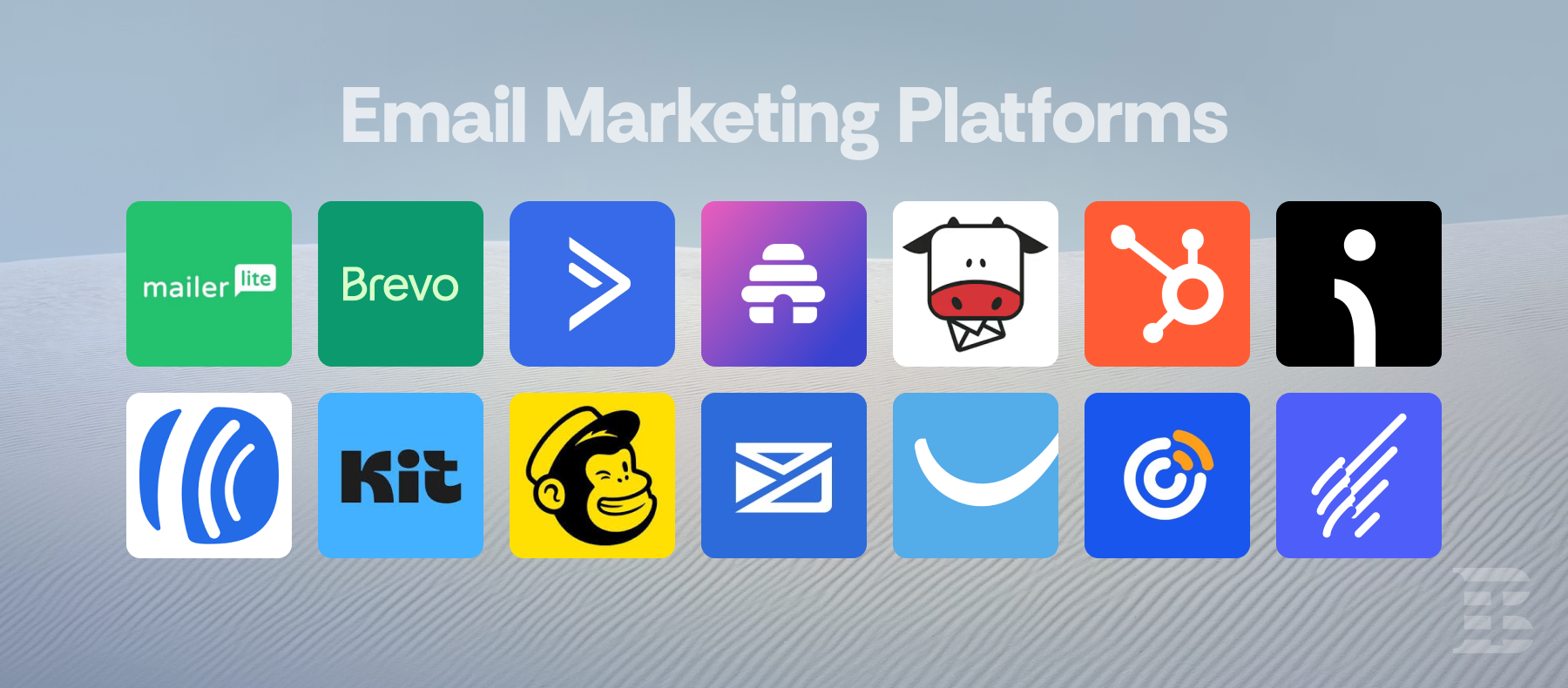
In 2025, top email marketing platforms include Mailchimp, MailerLite, and Brevo for general use, while HubSpot excels for all-in-one CRM, Klaviyo for e-commerce, and ActiveCampaign for advanced automation, with platforms like Omnisend and Moosend offering strong features for SMBs and e-commerce.
Key factors in choosing depend on needs: beginners might prefer Mailchimp/MailerLite, while large businesses leverage HubSpot's suite or Klaviyo's e-commerce focus, with many offering generous free plans.
3. Create an Email List
Before you build an email list, you need to create a good plan for collecting email addresses.
Check the following tips. Additionally, some platforms have built-in tools that can assist you in creating webinars, landing pages, and pop-ups, saving you the trouble of connecting various solutions.
- Make eye-catching sign-up forms: Include pop-ups and easy-to-use newsletter sign-up forms on your website or in relevant blog posts. To encourage sign-ups, explain the advantages of subscribing. Attract visitors using images and a prominent newsletter
- Use offline opportunities: Gather email addresses at industry events by using a physical sign-up sheet or device. Explain the intended use of the collected email addresses and include the unsubscribe option.
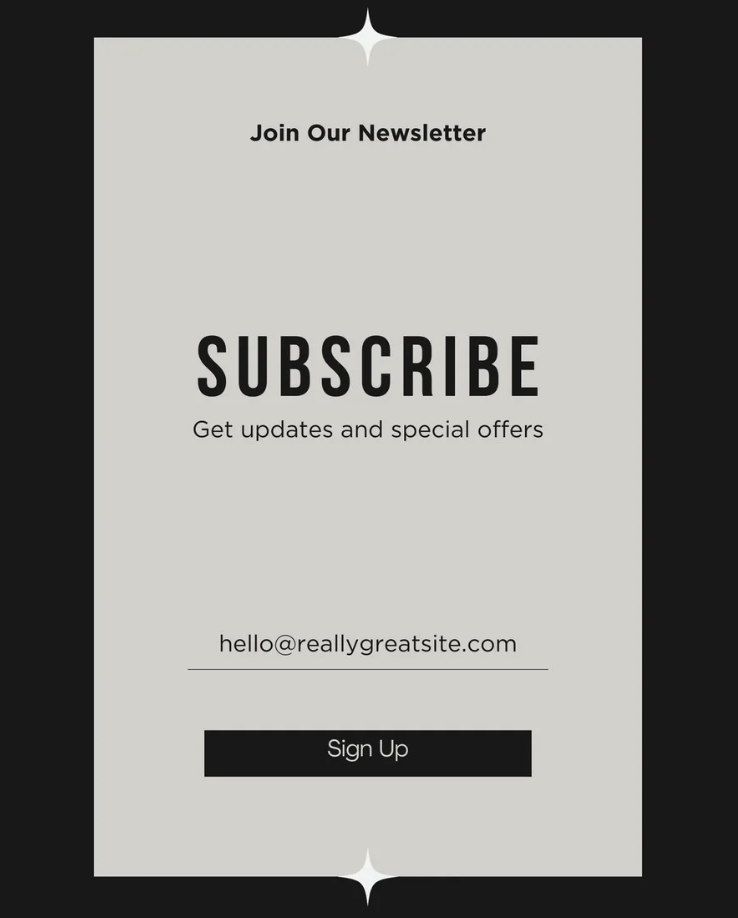
- Use gated content: As demonstrated below, create premium content or lead magnets that are only available to website visitors who have subscribed.
- These could be case studies, videos, or exclusive articles. Encourage people to subscribe by promoting this gated content on all of your platforms.
Source, Canva
- Become active on social media: You probably won't have the money to spend on paid advertisements at first. For this reason, you should use your social media profiles to increase website traffic. Engage your audience first on the social media sites where they are most active, such as Facebook or LinkedIn. Make sure to encourage people to visit your profile and subscribe to your newsletter in every other post.
4. Make your Email List Segmented
Without segmentation, an email newsletter cannot be run successfully. Experienced marketers use email list segmentation as a hack to run customised email campaigns that produce amazing results.
According to HubSpot research, subscriber segmentation comes in second at 78%, with personalisation ranking as the most important email marketing tactic at 72%.
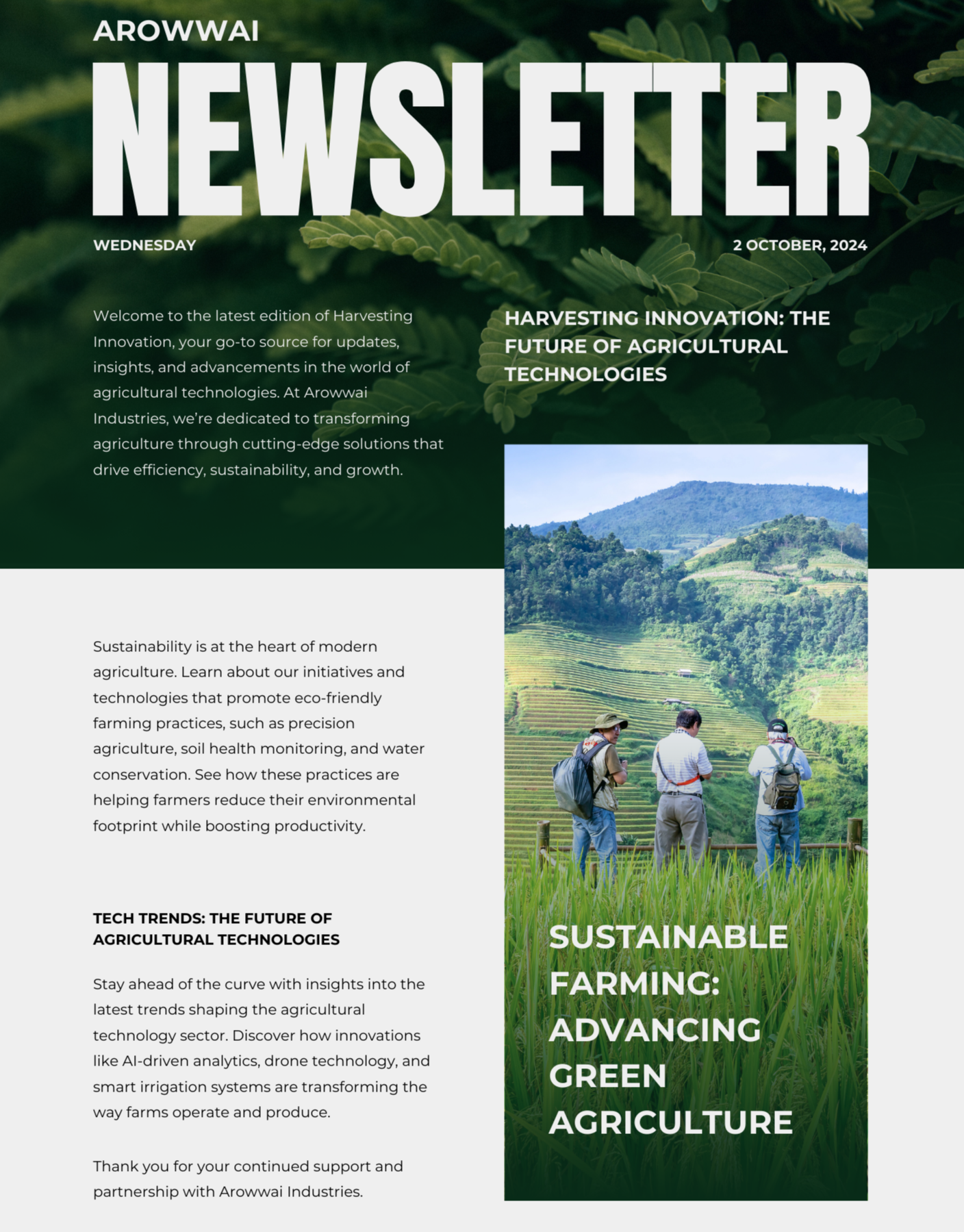
You can divide your email list into segments according to demographics, interests, past purchases, engagement levels, and any other appropriate information. Also, you can create personalised content that appeals to your email subscribers by learning about their individual needs and preferences. With this, you increase the possibility of engagement and conversion by making recipients feel appreciated.
Source, Canva
Additionally, segmentation enables you to cultivate relationships at various stages of the customer journey. You can make segments, for instance, for new devoted or dormant subscribers. Increase engagement and direct subscribers through your conversion funnel by knowing where they are in their journey and sending the appropriate emails at the appropriate times. To efficiently segment your contact list, use consumer information gathered from surveys, website interactions, sign-up forms, and past purchases.
5. Plan and Draft your Newsletter
Making your newsletter is now the exciting part of the process. Your content needs to be informative, valuable, and in line with the goals of your newsletter. Your audience must be moved by it. To boost sales, for instance, you may want to create promotional content like product reviews, how-to manuals, and customized offers. On the other hand, if your goal is to inform and educate your subscribers, you may decide to provide company updates, industry insights, and advice.
Additionally, since email newsletters are typically meant to be read quickly, make sure your content is interesting, brief, and simple to scan. Another efficient method to capture the attention of readers is the use of captivating subject line, and call to action (CTA) is clear and compelling.
Use bullet points to make the content easier to read, subheadings, and brief paragraphs. Try to apply the inverted pyramid structure, which highlights the most important information.
Despite the fact that readers may not read the whole newsletter entirely, you still want them to see the key details. There is a chance you may coax the readers to read your newsletter completely so they can learn more. Make use of templates to accelerate the design process and guarantee your newsletter will always have a flawless look.
6. Test and Improve
You may be losing money if you don't test and optimize your email newsletter on a regular basis. Additionally, consumer behavior is constantly evolving. You can keep up with these changes by testing your campaigns and making the required adjustments.
A/B testing is one way to test your email newsletter. Sending different iterations of your newsletter design components to a portion of your audience in order to compare the results is known as A/B testing.
This demonstrates what appeals to your subscribers the most and the best strategies for improving outcomes. With these insights, you can improve your newsletter design content and overall approach.
You can test headlines, CTA buttons, content layout, or images, unique color schemes, and font styles. It is important that you choose an engaging design because more and more email users are monitoring their accounts on mobile devices.
These designs make your newsletters readable on all devices by adjusting to various screen sizes. This improves the user experience, which raises the degree of engagement among subscribers.
For mobile designs, you can alter and conceal particular components or sections. Sending test emails to the team and yourself is a great idea once you’ve decided on the proper elements, formatting, and newsletter design. Try them on various gadgets and email programs.
Additionally, always check for any design imperfections and proofread the text, which in turn demonstrates professionalism and attention to detail. Last but not least, add the unsubscribe link in the footer of each email.
7. Plan and Deliver
Congratulations! You’ve created an interesting newsletter that will captivate readers. Setting a time and sending it out is now necessary. This last stage guarantees that the right people receive your newsletter at the right time. To nurture your subscribers, make sure you have automated email workflows set up.
These workflows automate processes such as segmentation, email activity tracking, and subscriber addition. They’ll assist you in providing each subscriber segment with relevant newsletter content.
Next, decide when it's best to send emails. Take into account the preferences, time zone work schedules, and typical engagement patterns of your target audience. You can track your newsletter success after it has been sent by using analytics tools offered by your email service provider. Moreover, by analyzing audience engagement levels, you can make better decisions for future newsletters.
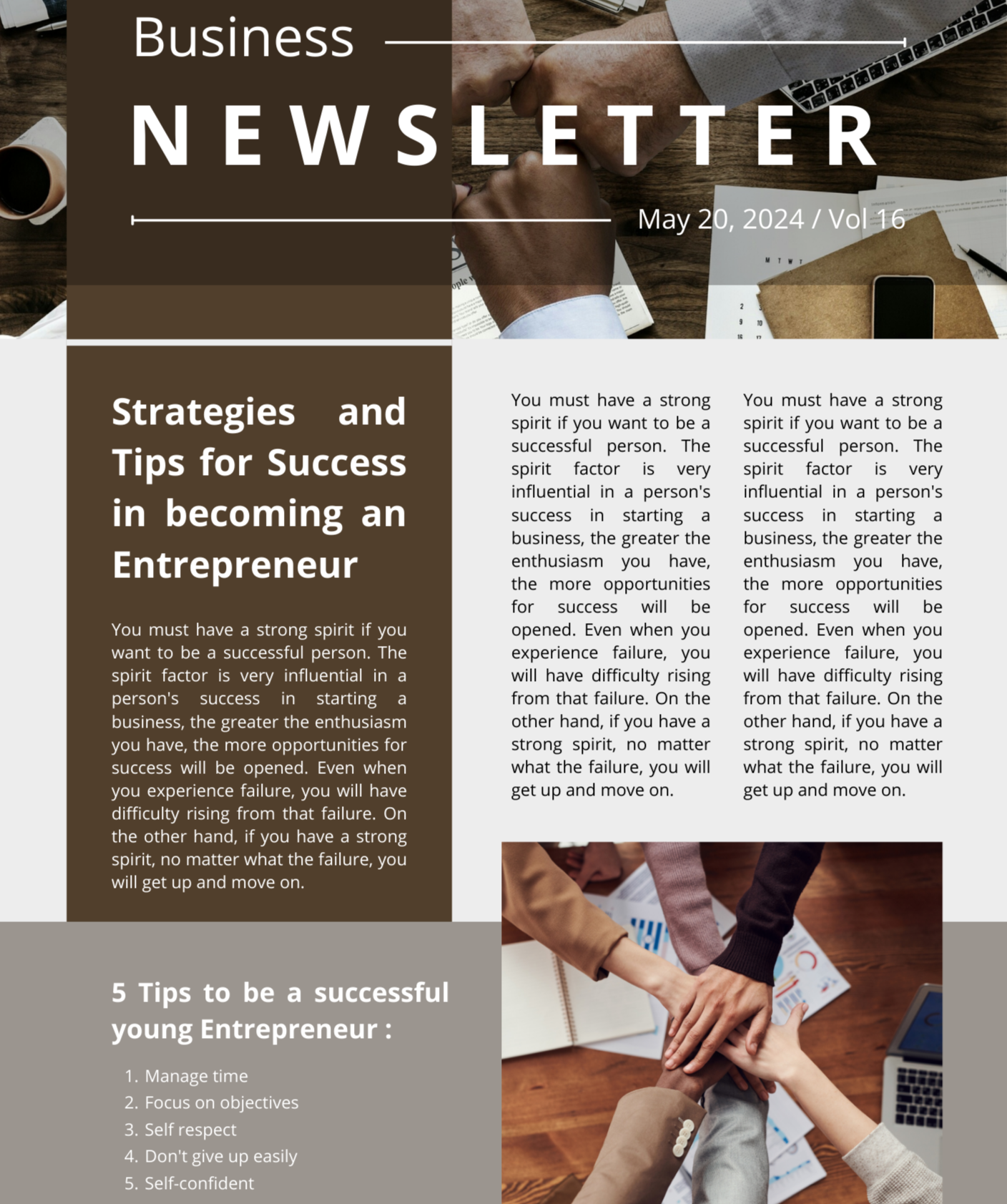
Conclusion
Email Newsletters are one of the most crucial email formats that can support you in developing a solid relationship with both new and current clients. When used properly, a newsletter is an effective tool for increasing brand awareness, engaging subscribers, and fostering loyalty. Moreover, it can assist you in turning subscribers into paying clients.
Because of this, it's important to create a visually appealing newsletter that will persuade readers to open and take action. Therefore, when used regularly, newsletters become more than just promotional materials; they become a dependable way to inform, amuse, and engage with clients all year long.
Related Questions & Answers
How is an email newsletter different from general email marketing?
Can loyalty and referral programs really make a difference in email campaigns?
Why should I bother with segmentation and personalization?
What’s the best way to make my newsletter effective?
I am a person who truly enjoys connecting with people and finding clarity amidst complexity. Most of all, I care about doing my work thoughtfully, staying curious, and always looking for small improvements that make a big difference. When I am not working, you will find me crafting a new sewing project or exploring a hiking trail somewhere in the mountains. Life is too short to stay put.
Discover more TechBehemoths Insights
Learn practical tips and insights about IT Companies, how to find the right company for your projects.
Read the latest news about Market Trends and fresh Interviews.